
Now that the political event of the year - Hungarian elections are over to the overall satisfaction of non-Russia aligned Europeans, we can be absolutely sure of two things.
First, this is the third election that Russia has poured its soul and money into… and lost spectacularly. According to various reports, Russia invested approximately €200 million into vote buying and other subversion operations in elections in Moldova (which according to the Moldovan PM represented 1% of Moldovan GDP). That did not pan out. And then, of course, there was their attempt to install a completely unknown candidate as president in Romania (Calin Georgescu, a fringe ultranationalist who had polled in single digits until days before the vote) which was thwarted by cancelling the result and redoing the entire election from scratch.
And now this. Russia is definitely losing its touch. I would say that perhaps Europe is getting smarter, but Slovakia did elect Fico, and Czechia did elect Babiš. They, however, are a different story – these parts of Eastern Europe are still full of older generation voters who remember cheap rents and forget the empty supermarket shelves and Russian tanks. This too shall pass.
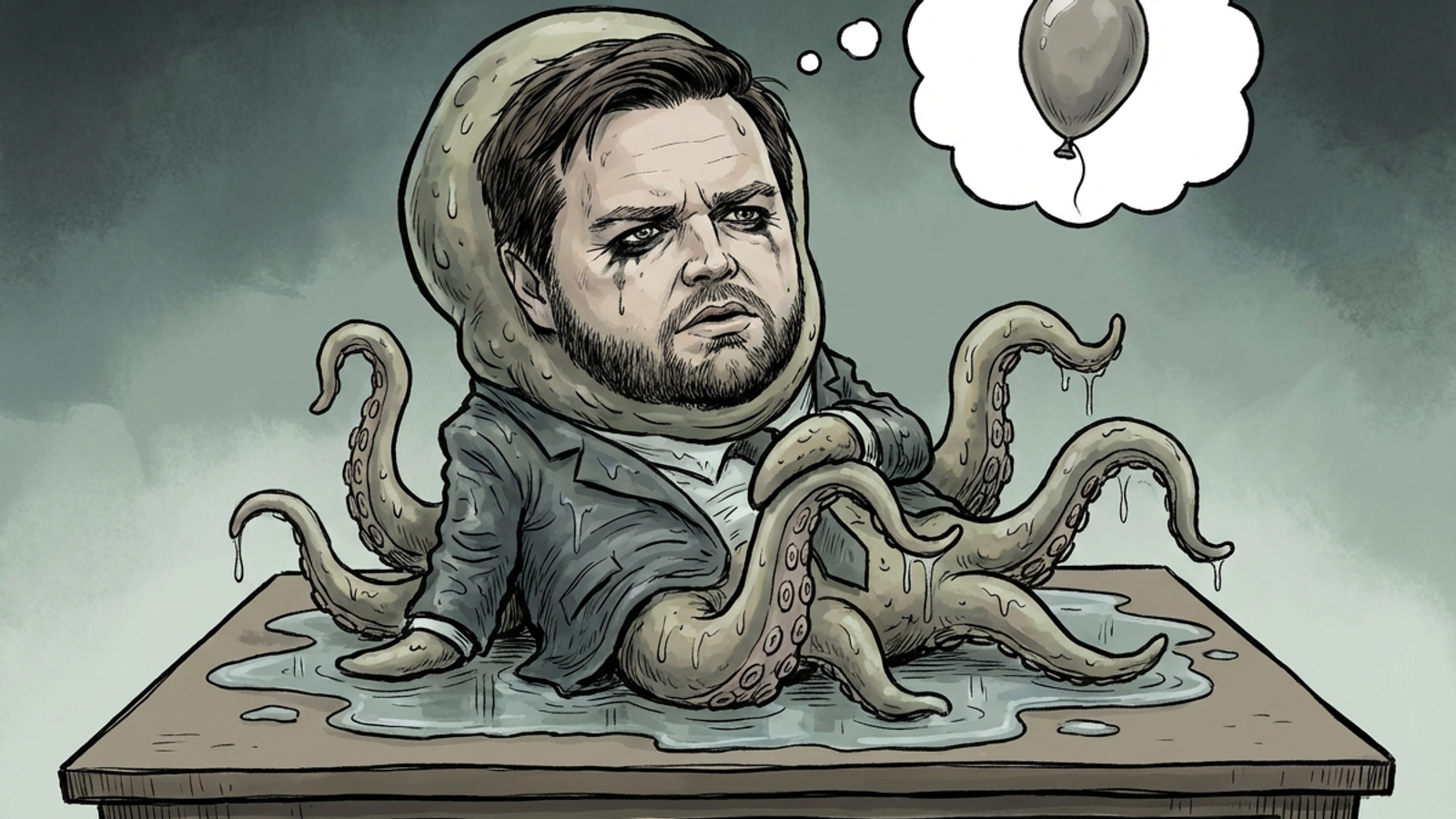
And second - the US Vice President, JD Vance, has all the appeal of a wet squid. When he insulted Europeans at the Munich Security Conference in 2025, the attraction of his eyeliner-traced eyes shrank considerably. Now, he cost Viktor Orbán some of his already limited votes. Perhaps we can rent him next time there is a difficult political decision to make in Europe?
Vance's boss, Donald Trump, had a similar effect on events. The Canadian Conservative Party was set to win its April 2025 election by a comfortable margin – until Trump inserted himself into the situation. Pierre Poilievre, the Conservative leader, attempted to distance himself from MAGA, but the damage was done by simple association.
So what can the elections in Hungary tell us about the general state of affairs of the right-wing parties in the Western world and their potential fortunes?
Hungarian elections were widely treated as a test case showing what Trump will do when his time to vacate the White House comes. If Orbán walked away without putting up a fight, the consensus was that Trump might follow suit. Considering Orbán has conceded defeat, Trump would have to set that precedent all alone.
As to matters on the European continent, the next elections where the far right can take over power and where the US dream team can be 'helpful' are in France, Italy, and Poland in 2027. Considering that the Trump and MAGA effect has brought the opposite effect, the right-wing actors in Europe, at least those with electoral ambitions beyond their own base, should make obvious conclusions and avoid them like the plague.
They might also go for a less pro-Russian and more straightforward conservative approach. Marine Le Pen's Rassemblement National (and her replacement Jordan Bardella, since she cannot run for the post of President of France as a result of a fund embezzlement conviction) has considerably toned down its pro-Russia leanings and is starting to look almost sane. Italy's Giorgia Meloni and Fratelli d'Italia, who are up for re-election in 2027, have been one of the most stable supporters of European defence and unity. Meloni, whatever her origins, has turned out to be something the European right rarely produces — a reliable ally.
All in all, it seems that despite the entirely understandable animosity Europeans feel toward the Washington duo, we should be, in an odd way, rather grateful to them. By making themselves so unlikable and anti-European, they inadvertently might have cured at least some of Europe of their particular brand of populism without Europe having to go through the disease itself. Or so we can hope.